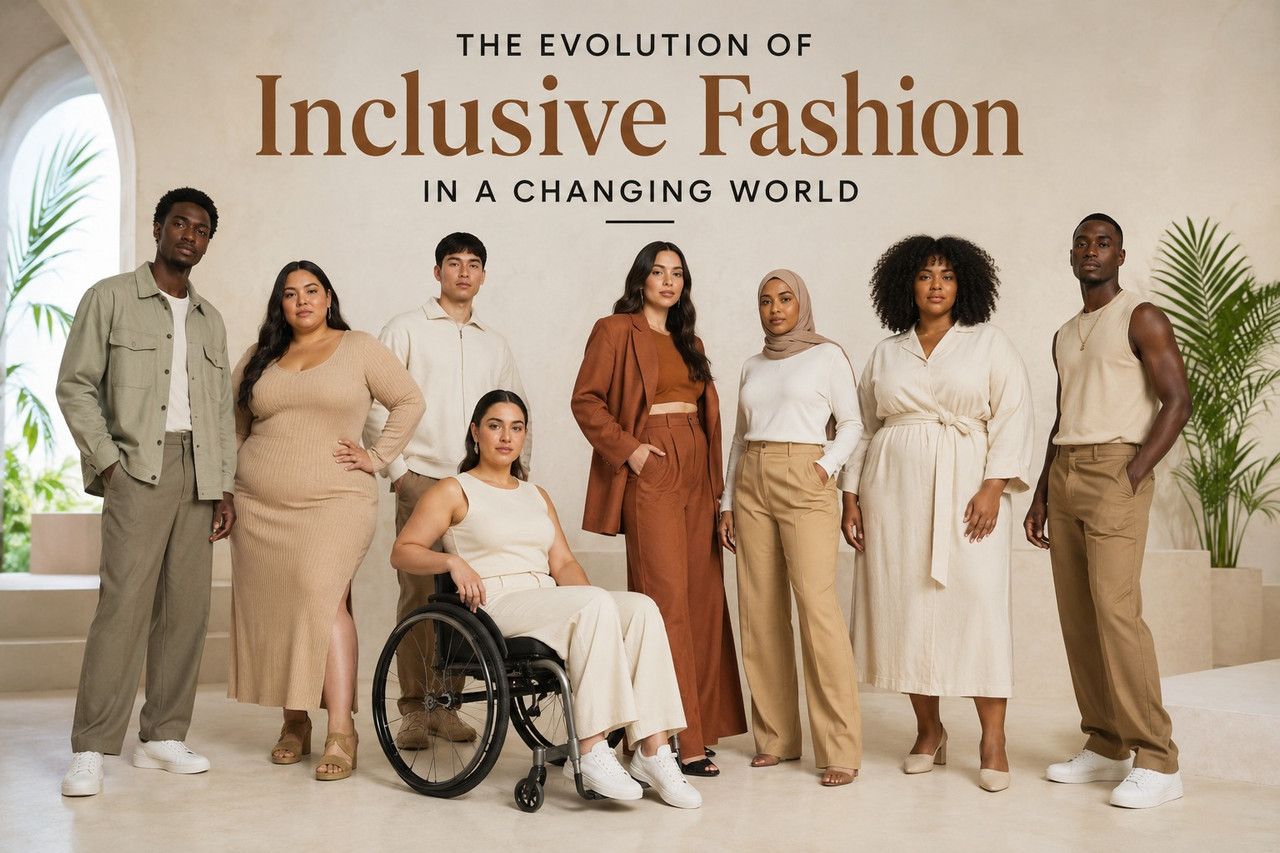
The fashion industry is entering a new era where individuality, confidence, and accessibility are becoming just as important as aesthetics. Consumers no longer view clothing as something that simply follows seasonal trends or serves a practical purpose. Instead, every outfit has become a reflection of personality, lifestyle, and personal values. This growing shift has encouraged brands to rethink how they design, manufacture, and present their collections to a much broader audience. As conversations around diversity and self-expression continue to shape the global marketplace, platforms like Click here for more provide valuable insight into the innovations and ideas influencing today's evolving fashion landscape.
One of the most significant developments in modern apparel is the emphasis on inclusive design. Rather than producing garments based on a limited set of traditional standards, designers are embracing a wider range of body types, preferences, and everyday needs. Improved tailoring, flexible construction, and advanced fabric technology now allow clothing to deliver both visual appeal and lasting comfort. Lightweight materials, breathable textiles, and stretch-enhanced fibers help create garments that adapt naturally to movement, making them suitable for everything from professional environments to casual outings and active lifestyles.
At the same time, fashion has become more expressive than ever before. Contemporary collections often combine bold colors, refined silhouettes, and carefully selected textures that encourage individuals to showcase their unique sense of style. Instead of promoting one definition of beauty, many brands now celebrate authenticity through diverse campaigns and thoughtfully designed apparel that welcomes people from different backgrounds and experiences. This inclusive approach has transformed shopping into a more personal and empowering experience, allowing consumers to build wardrobes that genuinely reflect who they are.
Innovation continues to drive this transformation across every level of the industry. Designers increasingly rely on sustainable materials, responsible manufacturing methods, and durable craftsmanship to meet the expectations of environmentally conscious shoppers. Digital retail platforms have also improved the customer experience by offering detailed sizing information, personalized recommendations, and seamless online shopping that makes discovering new collections easier than ever. These advancements demonstrate that fashion can successfully combine creativity, functionality, and responsibility without compromising quality.